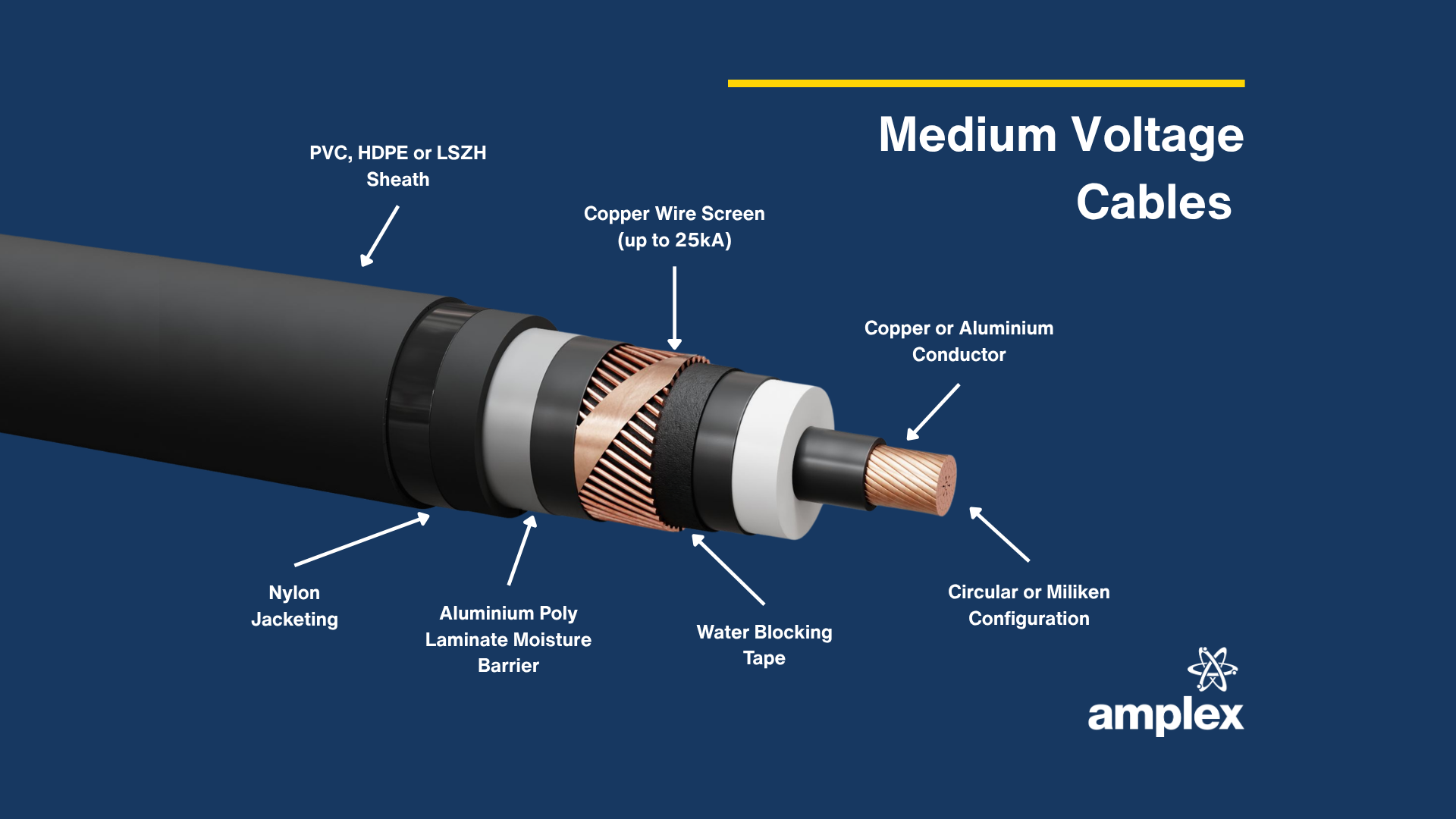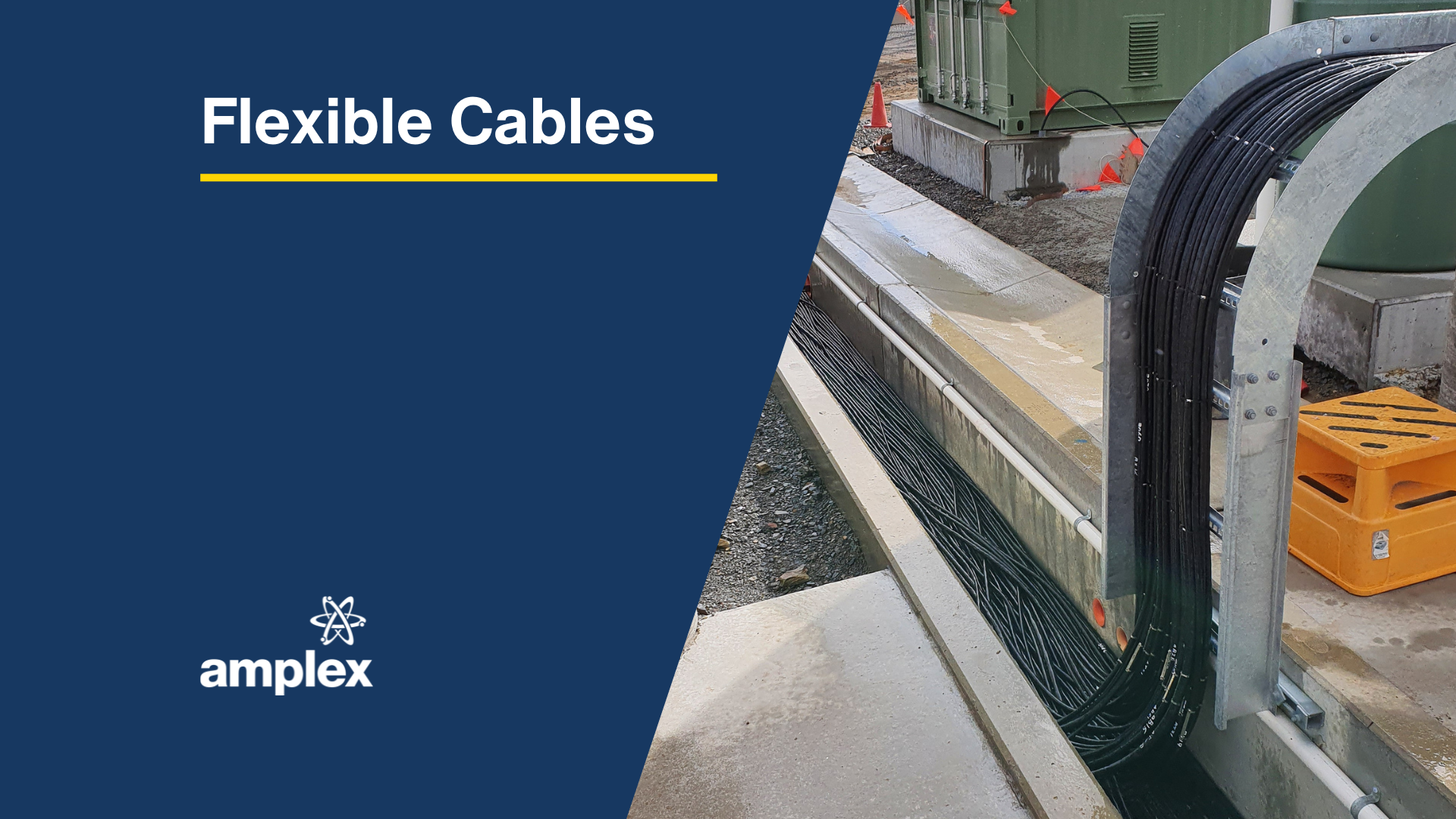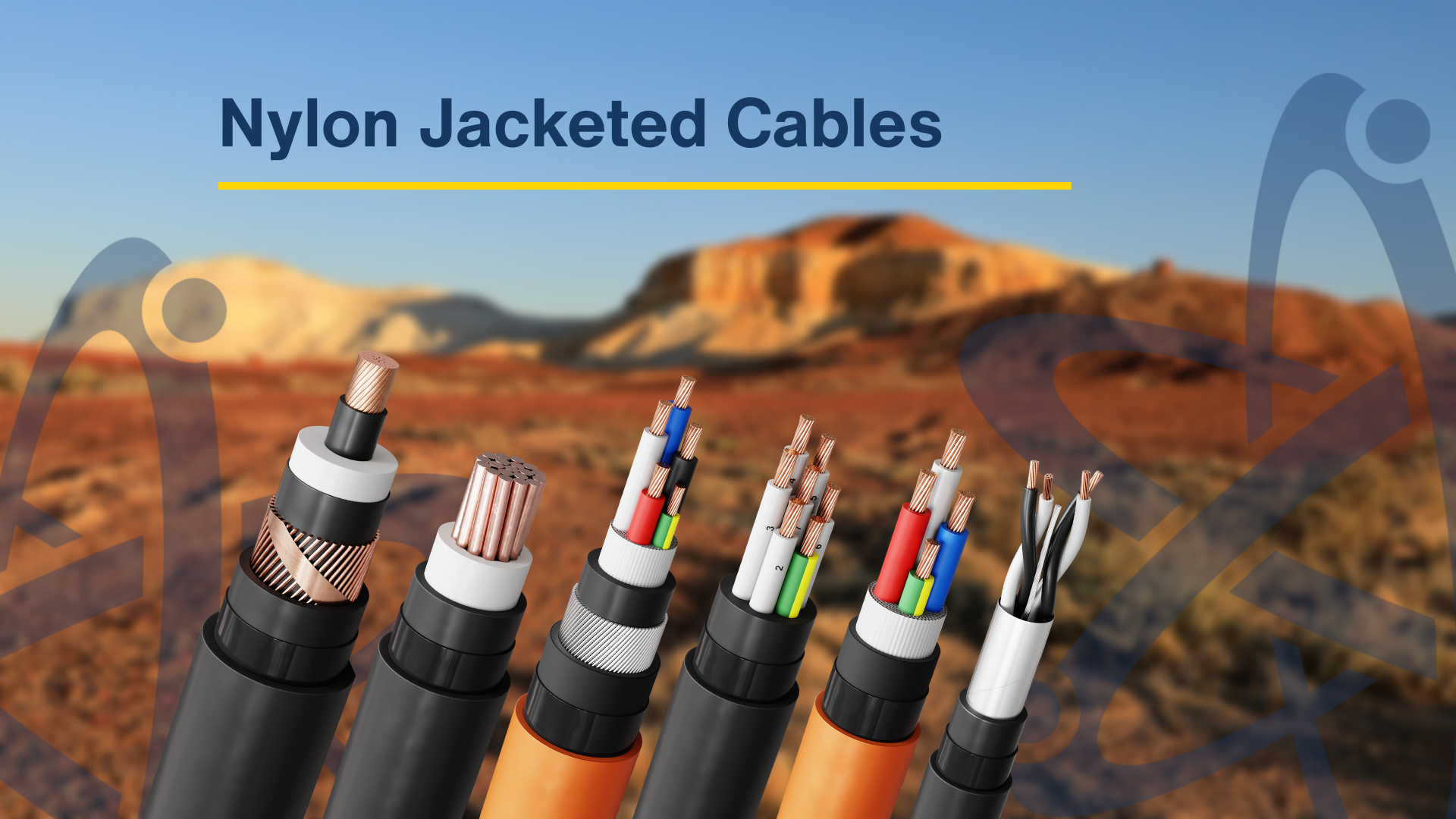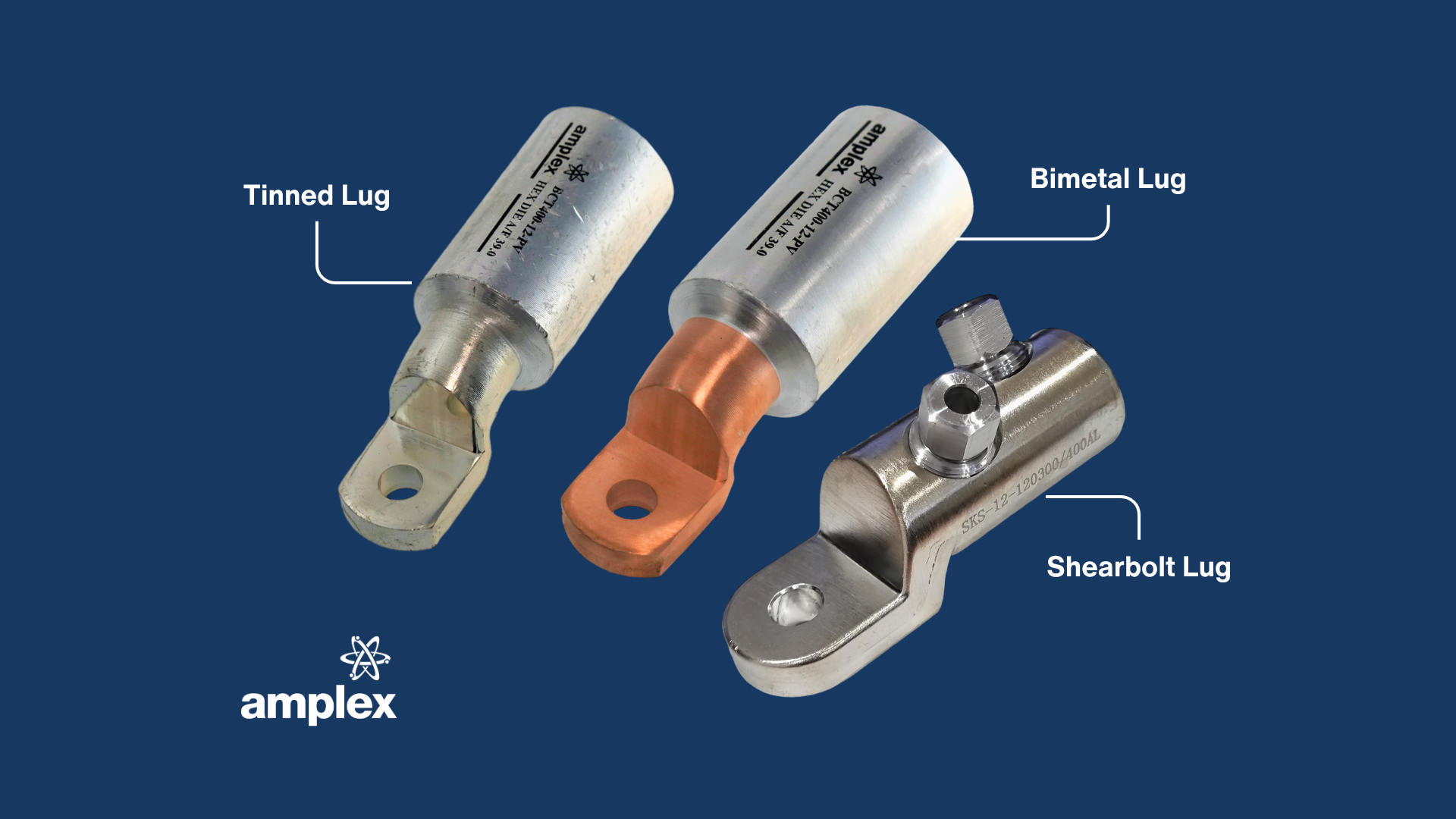
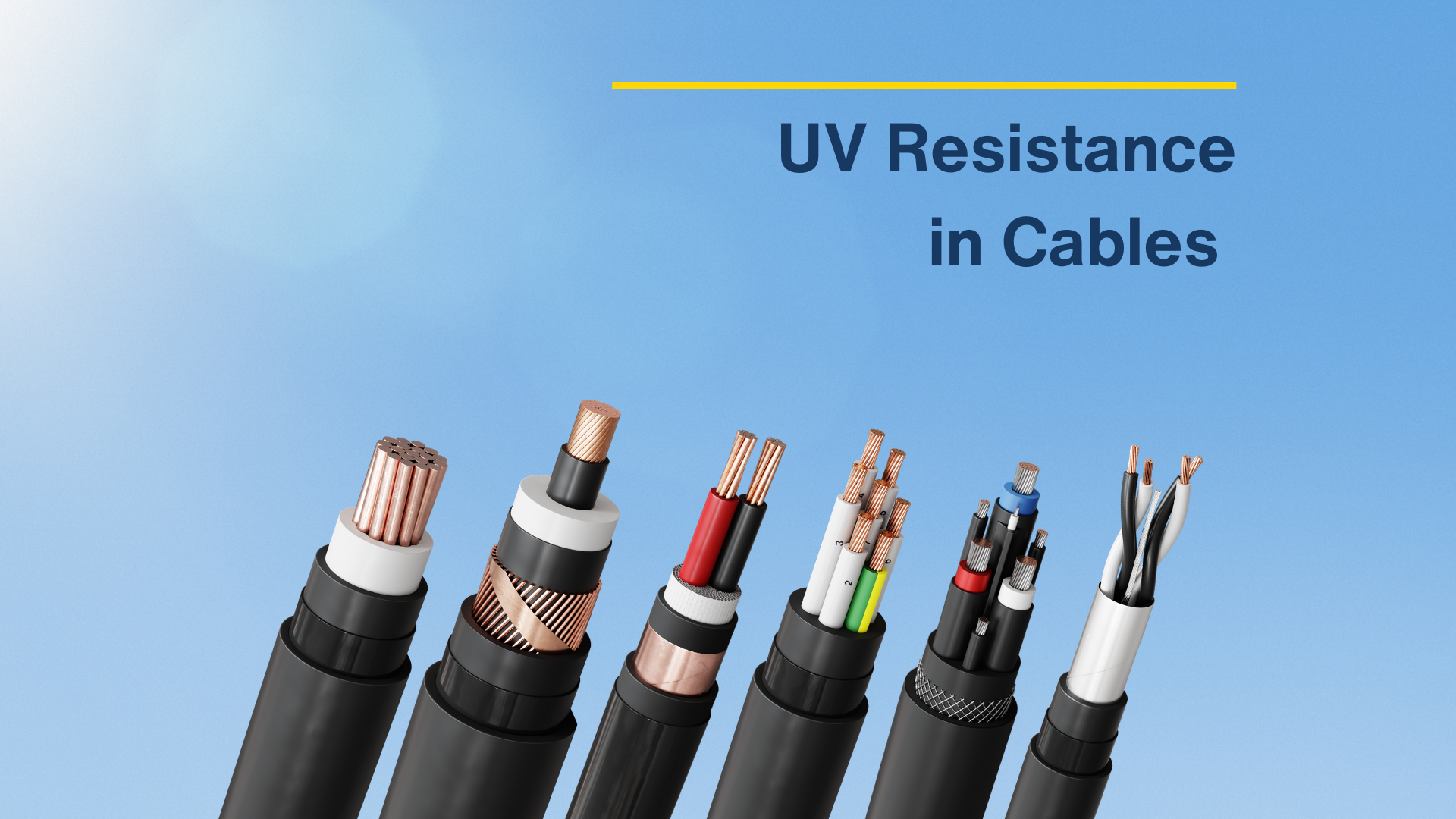
It is well known that Australia experiences significantly higher UV levels than regions such as Europe and North America. During summer, ‘the average clear-sky UV Index across virtually all of inland Australia reaches 11 or more, which is officially classified as extreme’, according to the Bureau of Meteorology. Therefore, any material being installed on a substation or solar farm must be built to withstand these high levels. In this article, Amplex cable experts break down what methods of cable construction naturally provide UV resistance in cables, and provide several insightful tips for those installing cables on sites across Australia.
So what does UV stabilisation actually mean, and how can you ensure your cable installations will withstand long-term exposure?
The most common sheath material used in cables is PVC. This polymer is inherently resistant to UV and is typically rated as having “very good” (though not “excellent”) UV resistance.
When exposed to UV radiation, PVC can develop a visible brown residue. This is generally caused by the migration of plasticisers from the compound in the outer layer. Over time, this process reduces the material’s impact strength, causing the cable to become brittle, less flexible, and more prone to cracking. This degradation can begin within the first two years of UV exposure.
While the use of non-stabilised, low-voltage, non-aerial cables is not prohibited under Australian standards, the progressive degradation of these cables presents a clear long-term risk.
The method employed to reduce the effects of UV (or stabilise) on cables are the addition of stabilisers to the PVC compound. The most common of these are:
- Carbon Black
Carbon black absorbs UV radiation, preventing damage to the polymer structure. A cable is generally considered fully UV stabilised when it contains around 2% carbon black; however, in practice, concentrations of approximately 0.5% are typically sufficient to provide effective protection. At these levels, the cable sheath appears black. This is widely regarded as the most effective method of UV stabilisation in PVC. - Titanium Dioxide (TiO₂)
Titanium dioxide is a white pigment that can also enhance UV stability. A concentration of around 1.5% is typically sufficient to achieve UV stabilisation in PVC compounds.
So, how can you ensure the cable you are installing is UV stable?
The simplest approach is to select PVC cables with a black outer sheath. PVC materials are identified by a “V” in their designation (e.g. V-90HT or 4V-75). If the cable does not have a black sheath, it is advisable to confirm its UV stability with the manufacturer.